A Brief Introduction to Astrology
By Admin
With 0 comments
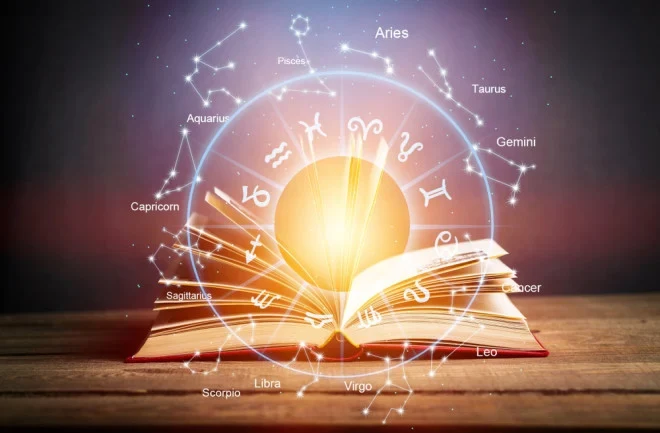
Astrology is a traditional system that explores the symbolic relationship between celestial bodies and human life. For thousands of years, people have looked to the Sun, Moon, planets, and stars for patterns that could help them understand personality, relationships, important life themes, and the passage of time.
Today, astrology remains popular around the world. Some people read a daily horoscope for entertainment, while others use a birth chart as a tool for reflection and self-discovery. Learning the astrology basics can help you understand what horoscopes, zodiac signs, planets, and birth charts are actually describing.
Astrology is not considered a scientific method for predicting future events or determining personality. It is better understood as a symbolic and interpretive tradition that has developed across different cultures and historical periods.
What Is Astrology?
At its simplest, astrology is the study and interpretation of symbolic relationships between celestial bodies and human experience. The Sun, Moon, planets, and zodiac signs all play different roles within an astrological system.
Astrologers use the positions of celestial bodies at particular times, especially the moment of a person's birth, to create interpretations. A birth chart can then be examined for themes involving personality, emotions, communication, relationships, ambition, challenges, and personal development.
The word astrology covers several different traditions. Western astrology is one of the best-known systems, while Vedic astrology, Chinese astrology, and other cultural traditions have their own methods and symbolism.
Because astrology has many traditions, an interpretation can vary depending on the system being used. There is no single approach that represents every form of astrology.
Why Are People Interested in Astrology?
People are drawn to astrology for many different reasons. For some, it is simply fascinating to learn about the zodiac and the symbolism associated with the planets. Others enjoy using astrology as a way to reflect on their personality, relationships, goals, or current circumstances.
Astrology can also provide a language for thinking about experiences that are difficult to describe. A horoscope might encourage someone to slow down, reconsider a decision, communicate more openly, or pay attention to something they have been ignoring.
For many readers, the appeal is not necessarily the promise of knowing exactly what will happen. Instead, astrology can provide questions and perspectives for reflection.
That is one reason astrology continues to attract both casual readers and people who study it more seriously.
Tools Used in Astrology
Several basic tools are commonly used when learning astrology. Understanding these building blocks makes it much easier to read a horoscope or explore a birth chart.
(1) Planets and Points
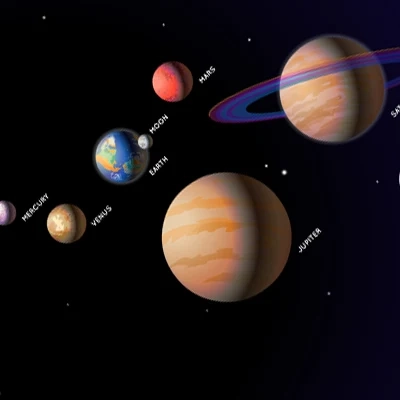
In astrology, planets are associated symbolically with different areas of human experience. The Sun, for example, is commonly connected with identity, vitality, and self-expression, while the Moon is associated with emotions, instincts, habits, and inner needs.
Other planets are traditionally interpreted in different ways. Mercury is associated with communication and thinking, Venus with attraction and relationships, Mars with action and desire, Jupiter with growth and expansion, and Saturn with responsibility and structure.
Modern Western astrology also includes Uranus, Neptune, and Pluto. Although these bodies are astronomically classified differently from the classical planets, they continue to play important symbolic roles in modern astrology.
Learn more about planets and points in astrology →
(2) Zodiac Signs
The Western zodiac contains 12 signs: Aries, Taurus, Gemini, Cancer, Leo, Virgo, Libra, Scorpio, Sagittarius, Capricorn, Aquarius, and Pisces.
Each zodiac sign is traditionally associated with particular qualities, elements, modalities, and planetary rulerships. Your Sun sign is determined by the position of the Sun in the zodiac at the time of your birth.
For example, someone born while the Sun was in Aries is traditionally described as having an Aries Sun. However, the Sun sign is only one part of a complete birth chart.
(3) Horoscopes
A horoscope is an astrological interpretation based on celestial positions and zodiac symbolism. In popular astrology, horoscopes are often written for each zodiac sign and may focus on subjects such as love, career, money, relationships, or personal growth.
A daily horoscope is usually a general interpretation written for people who share the same Sun sign. Because millions of people can share the same Sun sign, a daily horoscope cannot account for every person's individual circumstances.
A personal birth chart provides a much more detailed picture because it considers the positions of multiple celestial bodies at a particular time and location.
(4) Birth Charts
A birth chart, also called a natal chart, is a map of the sky for a particular moment and location. In astrology, the birth chart is used to explore the positions of the Sun, Moon, planets, zodiac signs, houses, and other chart points.
The exact birth time can be especially important because it affects the Ascendant and the house placements. This is why two people born on the same day can still have noticeably different birth charts.
Learning to read a birth chart is one of the best ways to move beyond basic Sun-sign astrology.
Understanding Astrology's Symbolism
Astrology is built around the idea that celestial patterns can be interpreted symbolically in relation to human experience. Different astrological traditions have developed their own approaches to this idea.
Rather than thinking of astrology as a simple system in which a planet directly causes a particular event, many modern readers approach it as a symbolic language. The planets and signs become ways of describing themes, tendencies, questions, and possible patterns.
This distinction is important because astrology should not be presented as a scientifically proven method for predicting specific events or determining a person's future.
For many people, its value comes from reflection. A horoscope or birth-chart interpretation can provide a different perspective and encourage someone to think about their choices, relationships, goals, and personal habits.
Understanding Your Sun Sign
When someone asks, "What's your sign?", they are usually asking about your Sun sign.
Your Sun sign is based on the zodiac sign occupied by the Sun at the time of your birth. It is often considered one of the most recognizable parts of a Western astrology chart.
Each sign is traditionally associated with certain qualities. Aries, for example, is associated with initiative and action, while Taurus is connected with stability and persistence. Gemini is associated with communication and curiosity, while Cancer is traditionally linked with emotional sensitivity and security.
However, your Sun sign should not be treated as a complete description of who you are.
Astrology Goes Beyond Your Sun Sign
One of the most common misconceptions about astrology is that your Sun sign represents your entire personality.
In a complete birth chart, the Moon sign is traditionally associated with emotional patterns and inner needs, while the Ascendant or Rising sign is connected with how a person approaches life and how they may appear to others.
Mercury, Venus, Mars, Jupiter, Saturn, Uranus, Neptune, and Pluto add additional layers of symbolism. The houses show areas of life where these planetary themes are interpreted.
This is why someone may read a description of their Sun sign and think, "That doesn't sound completely like me." A complete birth chart contains considerably more information than one zodiac sign.
Final Thoughts
Learning the astrology basics begins with understanding a few key ideas: planets represent different symbolic themes, zodiac signs describe different qualities, and birth charts bring these pieces together according to a particular moment and location.
Whether you are interested in astrology for entertainment, cultural history, spirituality, or self-reflection, learning the basics can make horoscopes and birth-chart interpretations much easier to understand.
The most useful approach is to remain curious while keeping a healthy perspective. Astrology can be an interesting symbolic system for exploring ideas about ourselves and the world, but it should not replace evidence, professional advice, or personal judgment when making important real-life decisions.
Posted in: Astrology Guides Tagged: astrology basics, what is astrology, astrology zodiac signs


Comments
Loading comments...