Planets in Astrology: What Each Planet Represents
By Admin
With 0 comments
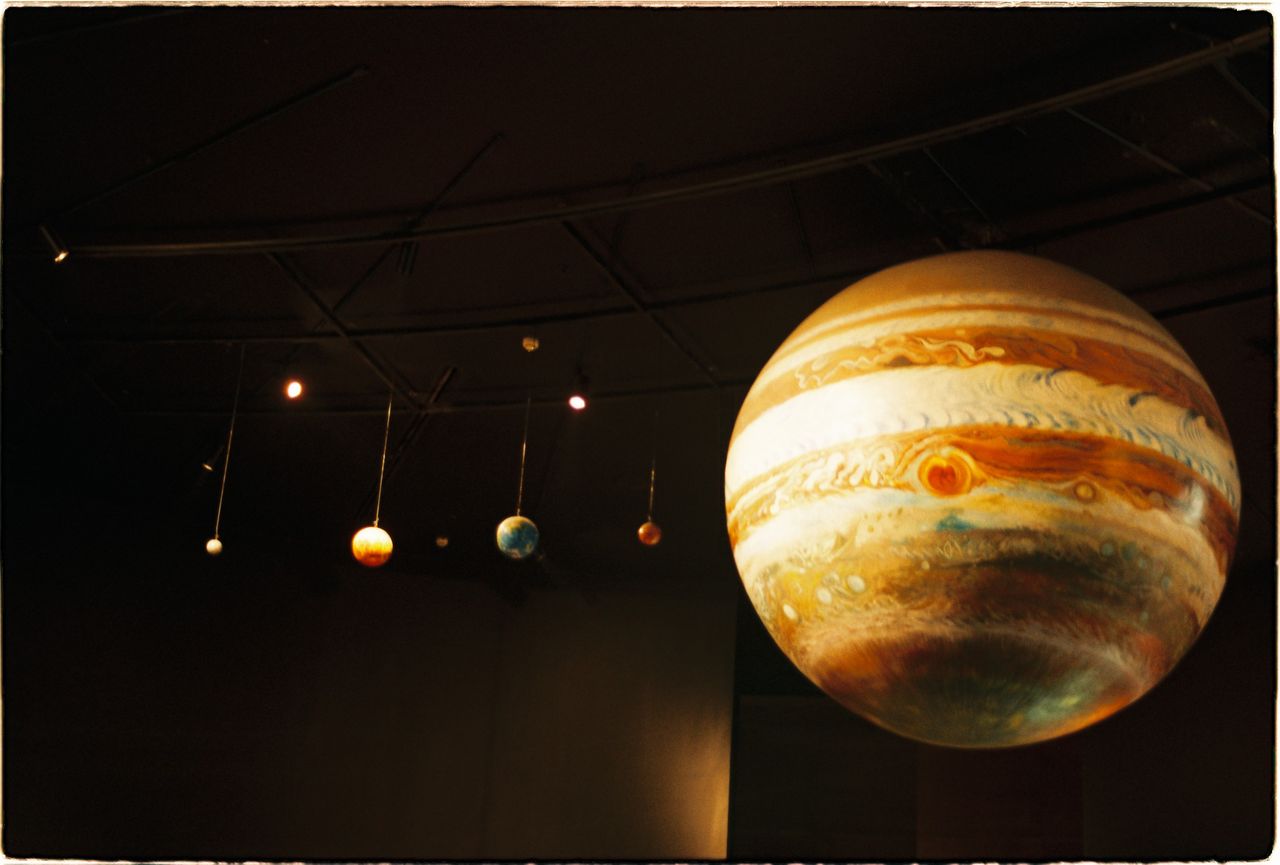
Planet meanings are building blocks of a birth-chart reading. In astrology, the Sun and Moon are commonly called luminaries, while Mercury through Pluto are referred to as planets even though astronomy classifies some of them differently. The terms below describe symbolic traditions, not scientific measurements of personality.
The Sun and Moon: identity and instinct
The Sun is associated with vitality, conscious identity, and qualities a person is learning to express. The Moon is associated with habits, emotional needs, memory, and responses to familiarity. Their signs are popular entry points, but both placements gain context from houses, aspects, and the rest of the chart.
Mercury, Venus, and Mars: personal patterns
- Mercury: communication, learning, observation, and the ways a person organizes information. A Mercury sign is sometimes used to discuss conversation style, but it cannot determine someone's intelligence.
- Venus: attraction, pleasure, values, aesthetics, and ways of relating. It can prompt reflection on what someone appreciates and how they seek connection.
- Mars: action, assertion, effort, anger, and pursuit. Its symbolism can raise questions about how someone acts on a goal or handles friction.
These are often called personal planets because they move through signs more quickly than the outer planets. Astrologers may interpret them as familiar parts of everyday behavior, but the symbolism is not fixed or deterministic. A person's choices and context matter.
Jupiter and Saturn: growth and structure
Jupiter is traditionally linked with learning, expansion, opportunity, faith, and a broader perspective. Its constructive side can suggest curiosity and generosity; its challenging side may invite questions about excess or overconfidence.
Saturn is associated with time, boundaries, responsibility, discipline, and the slow work of building something durable. People sometimes talk about Saturn only as restriction, but the symbolism can also involve skills, commitments, and realistic structure. Neither planet guarantees luck or hardship.
Uranus, Neptune, and Pluto: outer-planet themes
- Uranus: change, invention, independence, and disruption of familiar patterns.
- Neptune: imagination, ideals, spirituality, compassion, and blurred boundaries.
- Pluto: power, deep change, control, and processes of breakdown and renewal in modern astrology.
These planets move slowly, so people born within the same broad period often share their signs. Many astrologers therefore pay special attention to their houses and aspects in an individual chart. Interpretations of outer planets differ widely between astrological schools.
How to read a planet in context
Rather than memorizing one keyword, ask three questions: What topic does this planet traditionally symbolize? What sign is it in, and how might that sign color its expression? What house is it in, and where might the theme be most visible? Aspects to other placements add another layer.
For example, Venus in an earth sign in the eleventh house could lead an astrologer to explore steady values in friendships or group life. It does not prove that the person has a particular relationship history. The example shows how to combine chart factors, not an objective finding.
Frequently asked questions
Why do astrology charts include Pluto?
Modern Western astrology often includes Pluto as a symbolic planet, even though astronomy classifies it as a dwarf planet. Astrology and astronomy use different systems and purposes.
Are planetary meanings the same in every tradition?
No. Meanings have changed over time and vary across traditions. A useful guide names the framework it describes rather than presenting one interpretation as universal.
Takeaway
Planet symbolism gives a birth chart a set of functions: the Sun and Moon provide luminary themes; Mercury, Venus, and Mars describe personal patterns; Jupiter and Saturn explore growth and structure; and the outer planets add broader generational symbolism. Read each placement in context and leave room for the person, not just the chart.
Posted in: Astrology Guides Tagged: planets in astrology, astrology meanings, natal chart, Mercury, Venus, Mars, astrology basics


Comments
Loading comments...