Beyond the Cards: How Tarot, Clairvoyance, and Mediumship Actually Differ
By Admin
With 0 comments
Imagine you are standing in a room with three doors. Each door leads to a different kind of insight, but the atmosphere inside each room feels distinct. One room is quiet, lit by candlelight, where you pull a single card from a deck and reflect on its imagery. Another room feels electric, where a guide describes a scene you’ve never seen but recognize in your gut. The third is a gentle, conversational space where a spirit’s message is delivered with warmth and clarity. These are the three most common ways people seek spiritual guidance: Tarot, Clairvoyance, and Mediumship.
Many beginners assume these are just different names for the same thing. They’re not. While they all aim to help you understand your life, the tools they use, the source of the information, and the way that information is delivered are fundamentally different. Understanding these differences helps you choose the right guide for your specific need and sets realistic expectations for what you’ll receive.
The Core Distinction: Tool vs. Ability vs. Source
To understand the difference, it helps to look at where the information comes from.
Tarot is a tool-based practice. The cards themselves are physical objects with assigned meanings. The reader interprets these symbols in the context of your question. The insight comes from the interplay between the card’s traditional meaning, the position it’s placed in, and the reader’s intuition.
Clairvoyance is an ability-based practice. It relies on the reader’s heightened perception. A clairvoyant doesn’t use cards, pendulums, or other tools. Instead, they “see” information, often in the form of mental images, colors, or symbols, that relate to you. The insight comes directly from the reader’s sensory expansion.
Mediumship is a source-based practice. The information doesn’t come from the reader’s own subconscious or intuition in the same way. It comes from an external source—usually a deceased person or a spirit. The reader acts as a conduit, receiving messages from the other side and delivering them to you. The focus is on connection, not just insight.
Tarot: The Mirror of Your Own Energy
Tarot is often misunderstood as a fortune-telling device that predicts a fixed future. In reality, most modern Tarot readers use the cards as a mirror. They reflect your current energy, subconscious thoughts, and potential outcomes based on your choices.
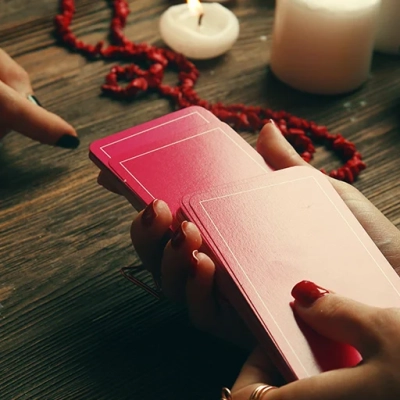
When you sit for a Tarot reading, you’ll likely ask a specific question, such as “What do I need to know about my career change?” The reader will shuffle the deck, cut it, and lay out a spread—perhaps a simple three-card layout representing past, present, and future, or a more complex Celtic Cross. Each card has a core meaning, but its interpretation changes based on the surrounding cards and your situation.
For example, if you pull the Tower card, it traditionally signifies sudden upheaval or revelation. But if you’re already in a state of chaos, the Tower might represent the necessary breaking point that leads to healing. If you’re in a stable job, it might warn of an upcoming disruption. The reader helps you interpret the card in your context.
The beauty of Tarot is its universality. The symbols are archetypal, drawing from ancient wisdom that resonates across cultures. You don’t need to believe in spirits or psychic abilities to benefit from Tarot. Many people use it as a psychological tool for self-reflection, similar to how
Posted in: Divination & Psychic Readings Tagged: tarot, clairvoyance, mediumship, spiritual readings, psychic abilities, divination, spiritual guidance
Comments
Loading comments...