Differing Views on Astrology: How Cultures Around the World See It
By Your-Astral-Bestie
With 0 comments
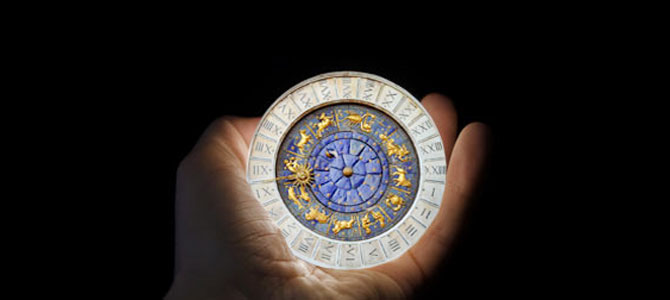
Astrology has been studied, discussed, questioned, and practiced in many different cultures for thousands of years. Yet people do not all look at astrology in the same way.
For some, astrology is a meaningful tradition that offers a way to reflect on personality, relationships, timing, and life's possibilities. Others enjoy reading their horoscope simply for entertainment or curiosity. Some people strongly believe in astrology, while others do not consider it reliable at all.
These differing views are part of what makes astrology such an interesting subject. The way people understand astrology can depend on their culture, family traditions, religious beliefs, personal experiences, and even the type of astrology they follow.
What Is Astrology?
Astrology is a traditional system that connects the positions and movements of celestial bodies with human experiences and symbolic interpretations.
Different traditions use different systems. Western astrology commonly focuses on the Sun, Moon, planets, zodiac signs, houses, and aspects in a birth chart. Other traditions have their own methods for interpreting celestial cycles and their relationship to human life.
Modern horoscope websites often simplify these systems into zodiac-sign forecasts that people can read quickly. This is one reason astrology has remained accessible to a large audience.
Today, people can easily find a daily horoscope, weekly horoscope, monthly horoscope, or yearly horoscope online.
Why Do People Have Different Views About Astrology?
There is no single reason why people believe in or reject astrology.
A person's opinion can be influenced by how they were raised, the culture they grew up in, their religious beliefs, and their own experiences with astrology.
Someone may read a horoscope because it gives them something to think about at the beginning of the day. Another person may enjoy astrology because they are interested in personality types and relationships.
Others may view astrology purely as entertainment.
There are also people who reject astrology because they believe that human behavior and future events should not be connected to the positions of planets or stars.
Because of these different perspectives, astrology can be viewed as a spiritual tradition, a cultural practice, a form of entertainment, a tool for personal reflection, or something a person simply does not believe in.
Western Astrology
Western astrology is probably the form most familiar to people who regularly read modern horoscope columns.
It is commonly associated with the twelve zodiac signs:
Aries, Taurus, Gemini, Cancer, Leo, Virgo, Libra, Scorpio, Sagittarius, Capricorn, Aquarius, and Pisces.
A person's Sun sign is traditionally determined by their birth date. More detailed birth charts can also take into account the Moon, planets, houses, and other astrological factors.
Modern Western horoscope culture has made astrology easy to access. People can read forecasts about love, work, relationships, money, and general daily life without studying an entire birth chart.
This has helped astrology become part of popular culture in many countries.
Indian Astrology and Jyotish Traditions
Indian astrology, commonly known as Jyotish, developed within the broader cultural and philosophical traditions of South Asia.
It has its own methods for interpreting birth charts, planetary positions, timing, and other astrological factors. Jyotish also differs in important ways from the popular Western horoscope system.
For people who follow these traditions, astrology may be connected with questions about relationships, life events, personal decisions, and timing.
It is important to remember that Indian astrology is not simply another name for Western astrology. The systems have different historical development, terminology, calculations, and interpretive traditions.
Chinese Astrology
Chinese astrology is another major astrological tradition and is structured differently from the familiar Western zodiac.
Rather than assigning people one of twelve Western zodiac signs based primarily on their birth date, Chinese zodiac traditions associate years with twelve animals.
The twelve animals are:
Rat, Ox, Tiger, Rabbit, Dragon, Snake, Horse, Goat, Monkey, Rooster, Dog, and Pig.
Chinese astrology also includes concepts such as the Five Elements and Yin-Yang principles.
The Chinese zodiac is particularly familiar through its association with the Lunar New Year and traditional cultural practices.
If you are interested in this system, explore our Chinese daily horoscope, Chinese weekly horoscope, Chinese monthly horoscope, and Chinese yearly horoscope forecasts.
Astrology and Religion
One of the most complicated aspects of astrology is its relationship with religion.
Religious opinions about astrology are not all the same. Some traditions have incorporated forms of celestial observation or astrology into their historical practices, while other religious communities reject astrology, particularly when it is used as a form of divination or fortune-telling.
Within Christianity, for example, opinions about astrology can vary among denominations and individuals. Some Christians view astrology as incompatible with their faith, while others may simply regard horoscope reading as entertainment rather than a spiritual practice.
Judaism, Islam, Christianity, Hindu traditions, and other religious and philosophical systems have their own histories and teachings concerning the stars, divination, fate, and human free will.
For that reason, it is better to avoid saying that an entire religion has one universal opinion about astrology.
A person's religious interpretation is often more complicated than a simple "believes" or "doesn't believe" answer.
Astrology as Entertainment
Not everyone who reads a horoscope considers astrology a literal prediction of the future.
For many people, checking a horoscope is simply a fun daily habit.
A person might read their horoscope while drinking coffee in the morning, share an interesting prediction with a friend, or compare zodiac signs with a partner.
This lighter approach has helped astrology remain popular even among people who do not consider themselves serious astrology followers.
Horoscopes can also encourage people to pause and think about areas of their lives such as relationships, work, goals, and personal choices.
Why Do Some People Believe in Astrology?
People who believe in astrology may have different reasons for doing so.
Some grew up with astrology as part of their family or cultural traditions. Others became interested after reading about their birth chart or zodiac sign.
Some people feel that certain astrological descriptions accurately reflect aspects of their personality or experiences.
For others, astrology provides a symbolic language for thinking about life and personal growth.
Belief in astrology is therefore not necessarily based on one single experience or motivation.
Why Do Other People Reject Astrology?
Skepticism toward astrology is also common.
Some people argue that there is not enough scientific evidence to demonstrate that planetary positions determine personality traits or predict future events.
Others simply find astrology unconvincing based on their personal beliefs.
This difference between belief and skepticism is important because astrology occupies a unique position between traditional cultural practice, spirituality, entertainment, and claims about the natural world.
You do not have to accept one viewpoint in order to understand why astrology continues to interest millions of people.
Is Astrology the Same Everywhere?
No. Although many astrology traditions share an interest in the sky and celestial cycles, their methods can be very different.
Western astrology, Jyotish, and Chinese astrology use different systems, terminology, calculations, and traditions.
Even within the same broad tradition, astrologers can interpret charts and symbols differently.
This is one reason why two horoscope systems can give different interpretations for the same person.
The differences do not necessarily mean that one system represents all forms of astrology. They reflect the fact that astrology has developed through many cultures and historical traditions.
Astrology in the Modern World
The internet has changed how people discover and use astrology.
In the past, people might have depended on newspapers, magazines, books, or professional astrologers. Today, a person can find a horoscope in seconds using a phone or computer.
People can explore their zodiac sign, birth chart, compatibility, Chinese zodiac animal, and daily horoscope from almost anywhere.
This accessibility has also created a new generation of casual astrology readers who may not consider themselves serious practitioners.
For some, astrology remains a cultural tradition. For others, it is a personal interest. And for many people, it is simply something enjoyable to explore.
A Balanced Way to Look at Astrology
There is no requirement to have the same opinion about astrology as everyone else.
If you believe in astrology, you may find value in studying your zodiac sign or birth chart.
If you are skeptical, you can still explore astrology as an important cultural and historical tradition.
And if you simply enjoy reading your horoscope, there is nothing wrong with treating it as a moment of entertainment or personal reflection.
The important thing is to understand the difference between symbolic interpretation and proven scientific fact.
Astrology has survived across centuries partly because people continue to be fascinated by the same questions: Who am I? What might happen next? Why do relationships work the way they do? What direction should I take in life?
Those questions are universal, even when the answers people seek are very different.
Explore Your Zodiac Sign
Curious about your own zodiac sign?
Explore your zodiac sign and discover more about its traditional personality characteristics, relationships, career themes, and horoscope forecasts.
You can also check your daily horoscope for a quick look at the day ahead, or explore the site's weekly, monthly, and yearly horoscope forecasts.
If Chinese astrology interests you, you can also discover your Chinese zodiac animal and explore Chinese daily, weekly, monthly, and yearly horoscopes.
Frequently Asked Questions About Astrology
Is astrology the same in every country?
No. Astrology has developed differently across cultures. Western astrology, Indian astrology, and Chinese astrology use different systems and traditions.
Why do people believe in astrology?
People may believe in astrology because of cultural traditions, personal experiences, family influences, spiritual beliefs, or because they find astrological interpretations meaningful.
Is astrology a religion?
Astrology itself is not a single religion. It has been associated with different spiritual, philosophical, and cultural traditions throughout history.
Do all religions reject astrology?
No. Religious attitudes toward astrology vary considerably. Some religious traditions or groups reject it, while others have historical or cultural connections with celestial traditions.
What is the difference between Western and Chinese astrology?
Western astrology commonly uses twelve zodiac signs associated with the Sun's apparent annual path, while Chinese zodiac traditions use a twelve-animal cycle associated with birth years and include additional concepts such as the Five Elements.
Can astrology predict the future?
Astrologers may use astrology to make forecasts or interpretations about future possibilities. However, such predictions should not be treated as scientifically established guarantees about what will happen.
Why are horoscopes so popular?
Horoscopes are easy to access and can be entertaining or thought-provoking. Many people enjoy them as a daily habit or as a way to reflect on relationships, goals, and personal experiences.
Final Thoughts
The differing views on astrology are part of what makes the subject so fascinating.
For some people, astrology represents an ancient tradition. For others, it is a spiritual or cultural practice. Some people enjoy it purely for entertainment, while skeptics question whether celestial movements can influence human behavior.
Whatever your personal opinion may be, astrology continues to connect people with questions about personality, relationships, timing, and the future.
Explore your zodiac sign, read your horoscope, learn about different astrological traditions, and decide for yourself what astrology means to you.
Posted in: Astrology Guides Tagged: astrology, differing views on astrology, astrology beliefs, astrology around the world, astrology in different cultures, Western astrology, Chinese astrology, Indian astrology, astrology and religion, zodiac signs, horoscopes


Comments
Loading comments...